Is the Era of “No-Fault Evictions” Coming to an End? Understanding the New Bill

For many landlords in the UK, Section 21 has long been a familiar and powerful legal tool—allowing them to end a tenancy with no stated reason, simply by giving two months’ notice. But that flexibility may soon disappear.
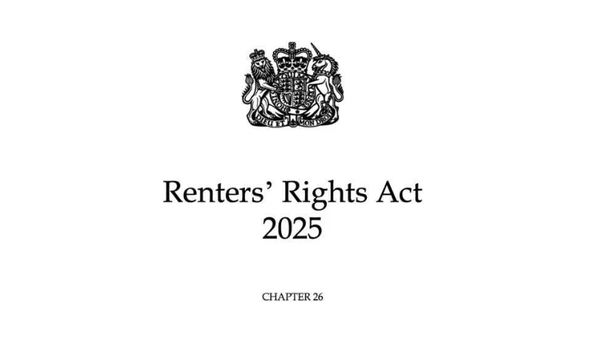
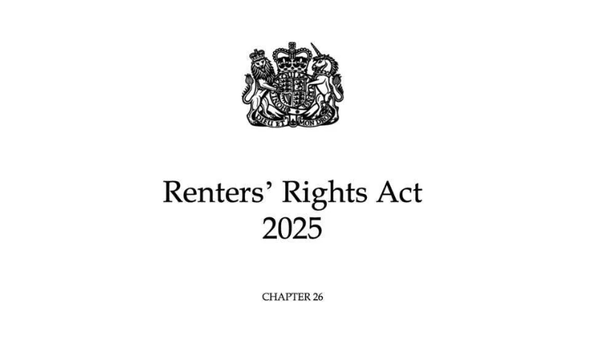
Under the proposed Renters’ Rights Bill, the UK government plans to abolish Section 21, effectively ending so-called “no-fault evictions” and reshaping how landlords can regain possession of their properties.
What Is Section 21?
Section 21 is part of the Housing Act 1988, which allows landlords to terminate an assured shorthold tenancy without giving a specific reason, provided they give the tenant two months’ notice.
While this approach has helped landlords retain flexibility in managing their properties, critics argue that it creates housing insecurity and has contributed to rising homelessness—especially when used in areas with limited rental options.
Why Is It Being Abolished? When Will It Happen?
Tenant advocacy groups and policymakers have been calling for the removal of Section 21 for years. They argue that tenants deserve greater security and stability, particularly in the face of rising rents and reduced housing availability.
According to a recent Buckinghamshire Council report, Section 21 notices are among the leading causes of homelessness in the area. The government now intends to shift toward a more “fair and balanced” rental system.
Following the 2024 general election, the Labour government reaffirmed its commitment to scrapping Section 21. While the Renters’ Rights Bill is still under review in Parliament, the abolition is expected to take effect by late 2025 or early 2026, possibly with a short transition period.
What Does This Mean for Landlords?
- More complex eviction process: Without Section 21, landlords must rely on Section 8, which requires specific legal grounds (e.g. rent arrears, damage, breach of contract) and may involve court proceedings.
- Higher legal and compliance risk: Landlords must be diligent in documenting tenant behavior and maintaining property standards to support any future eviction claims.
- Contract clarity matters more: A clear, well-drafted tenancy agreement and ongoing recordkeeping will become even more essential.
Final Thoughts
The proposed changes to Section 21 mark a major shift in the UK's rental landscape. While the reforms aim to offer greater tenant protection, they also place new responsibilities and procedural burdens on landlords.
Staying informed and legally prepared will be key to adapting successfully.
LandlordsHome will continue to monitor legislative updates and provide timely insights to help landlords stay one step ahead. Welcome to contact us: